Sacred Events & Festivals
Explore significant events, festivals, and observances dedicated to Lord Hanuman. Discover their importance and how devotees celebrate these auspicious occasions.
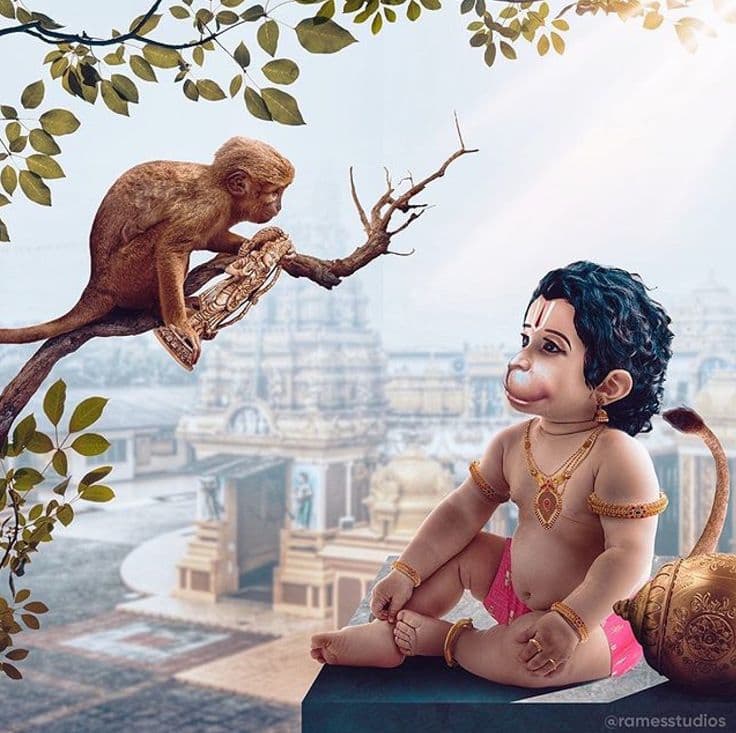
Discover the story of young Hanuman's playful mischief, mistaking the sun for a fruit, which led to a temporary curse and the eventual reminder of his immense divine powers.
Key Significance:
- Illustrates Hanuman's innocent yet powerful nature in his youth.
- Explores themes of divine intervention and unlocking latent potential.
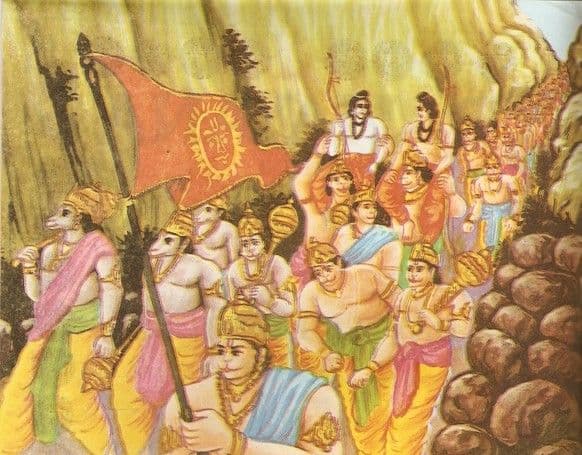
Hanuman meets Lord Rama during Rama's search for Sita. This marks the beginning of Hanuman's lifelong service and loyalty.
Key Significance:
- Establishes the eternal bond of devotion between Hanuman and Rama.
- Teaches virtues of humility, service, and divine companionship.
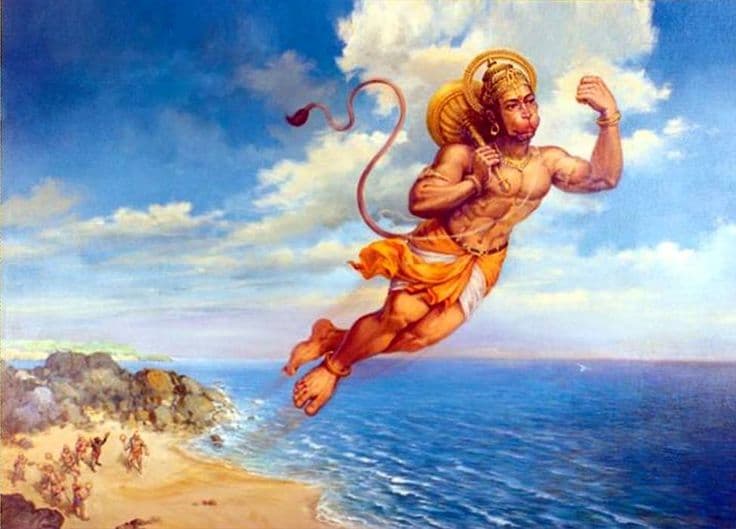
Hanuman's courageous leap across the ocean to Lanka in search of Sita, overcoming numerous obstacles through his devotion and strength.
Key Significance:
- Symbolizes unwavering devotion and determination.
- Demonstrates Hanuman's immense power and resourcefulness.
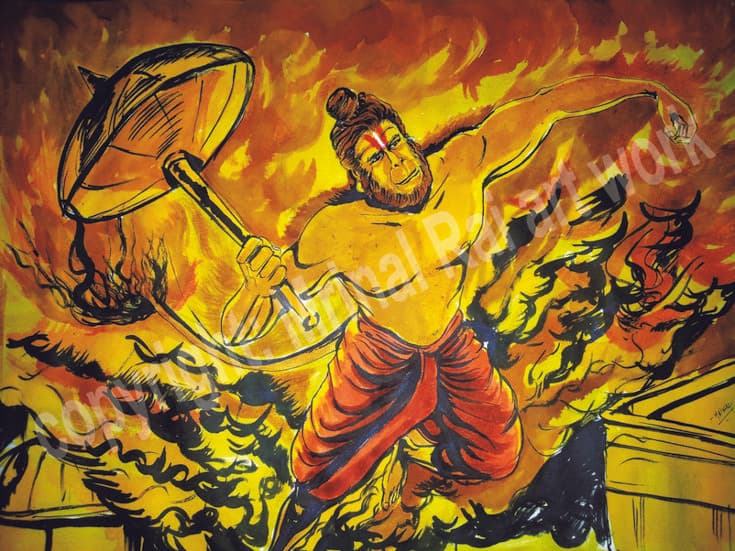
Hanuman, after finding Sita, allows himself to be captured. His tail is set on fire, which he uses to burn down large parts of Ravana's Lanka, showcasing his might.
Key Significance:
- Demonstrates Hanuman's fearlessness and strategic acumen.
- A significant blow to Ravana's pride and resources.

Hanuman returns from Lanka, reports Sita's discovery to Rama, and provides crucial intelligence, marking a turning point.
Key Significance:
- Showcases Hanuman's role as a perfect messenger.
- Reinforces the bond of devotion between Hanuman and Rama.
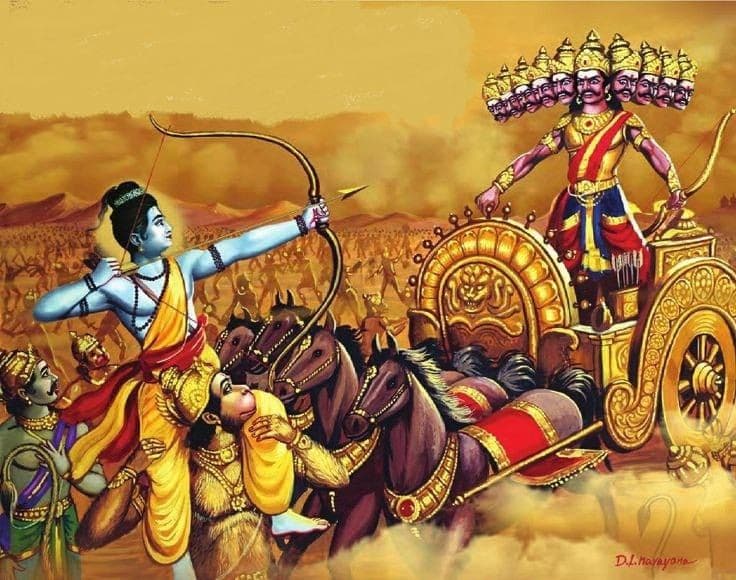
Hanuman's pivotal role in the war against Ravana, showcasing his strength, devotion, and critical actions like bringing the Sanjeevani herb.
Key Significance:
- Hanuman's strength and devotion are key to Rama's victory.
- Highlights selfless service and courage in righteous warfare.
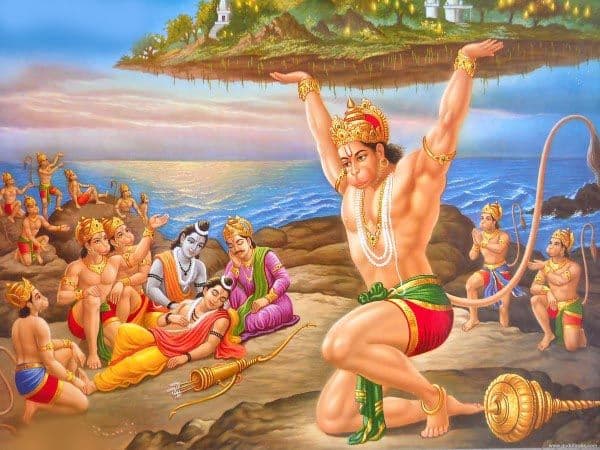
Hanuman's life-saving mission to bring the Sanjeevani herb from the Himalayas to revive Lakshmana, showcasing his immense power and devotion.
Key Significance:
- Symbolizes unwavering devotion and miraculous healing.
- Demonstrates Hanuman's boundless strength in service of Rama.
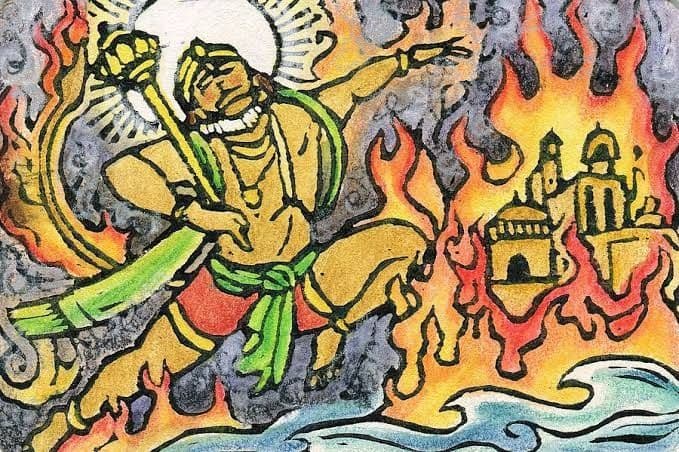
Hanuman plays a pivotal role in the rescue of Sita, aiding Rama in locating her and contributing significantly to the defeat of Ravana’s forces. His courage and resourcefulness are vital.
Key Significance:
- Showcases Hanuman's deep devotion, bravery, and selflessness.
- Vital for Rama's mission success and Sita's eventual rescue.

After Rama's victory, Hanuman's unwavering devotion continues during Rama's coronation. He remains a humble servant and protector of Rama's devotees.
Key Significance:
- Highlights Hanuman's selfless service and eternal loyalty.
- Symbolizes the victory of dharma and the establishment of Rama Rajya.
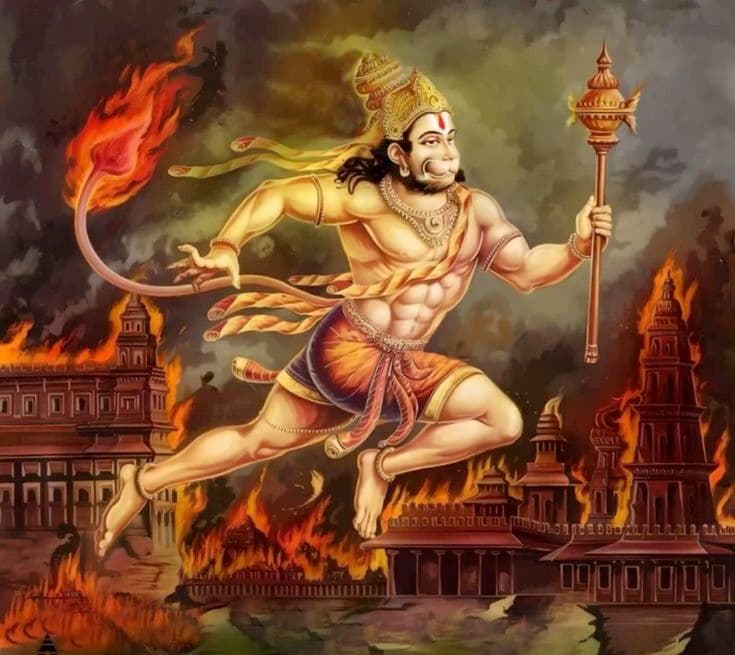
Hanuman was granted immortality by Lord Rama, symbolizing eternal devotion and his continuous presence as a protector of devotees.
Key Significance:
- Represents the enduring power of true devotion.
- Assures devotees of Hanuman's eternal support and guidance.
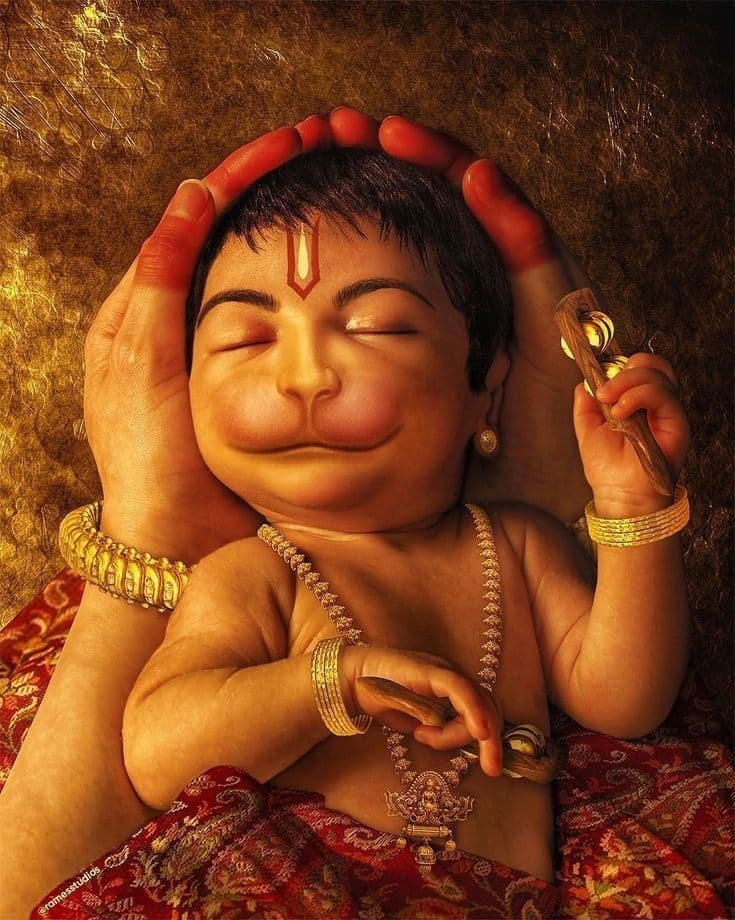
Celebrates the birth of Lord Hanuman, an embodiment of strength, devotion, and selfless service. It is observed with great fervor by devotees across India and the world.
Key Significance:
- Marks the divine appearance of Lord Hanuman.
- Devotees seek blessings for strength, courage, and protection.
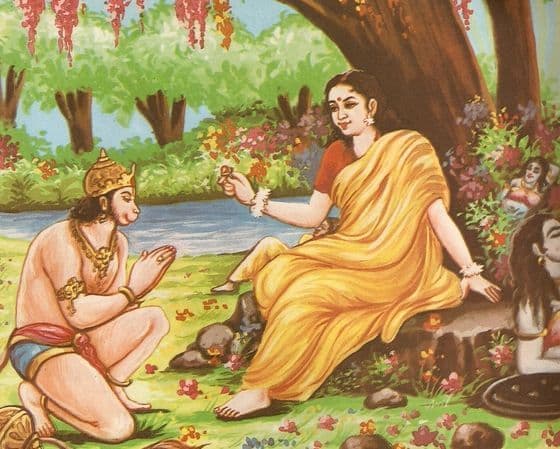
The recitation of Sundara Kanda, the fifth book of the Ramayana, which beautifully describes Hanuman's journey to Lanka, his meeting with Sita, and his heroic deeds. It is considered highly auspicious.
Key Significance:
- Believed to ward off evils and bring peace, prosperity, and success.
- Inspires courage, confidence, and unwavering faith.
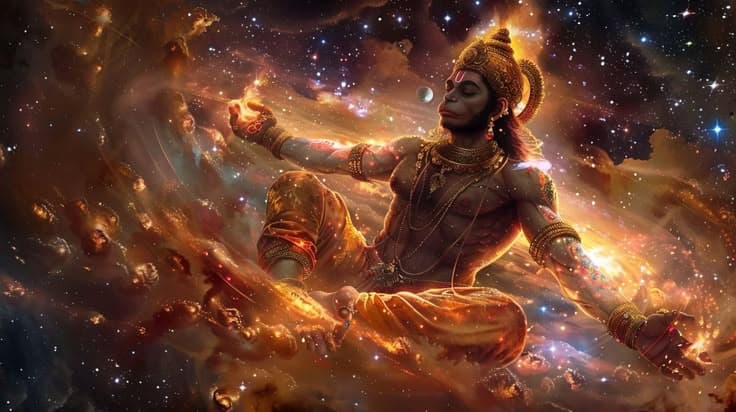
Tuesdays (Mangalvar) and Saturdays (Shanivar) are considered particularly auspicious for worshipping Lord Hanuman. Devotees observe fasts and perform special pujas on these days.
Key Significance:
- Tuesday is traditionally associated with Hanuman's immense strength and protective power.
- Saturday worship is believed to mitigate the ill effects of Shani (Saturn) and gain Hanuman's blessings for overcoming difficulties.

In some traditions, Lord Hanuman is also worshipped during Diwali, especially for his role in aiding Lord Rama's victory over Ravana, which Diwali commemorates. His worship is sought for protection and strength.
Key Significance:
- Recognizing Hanuman's contribution to the victory of good over evil.
- Seeking blessings for protection from negative energies during the auspicious period.
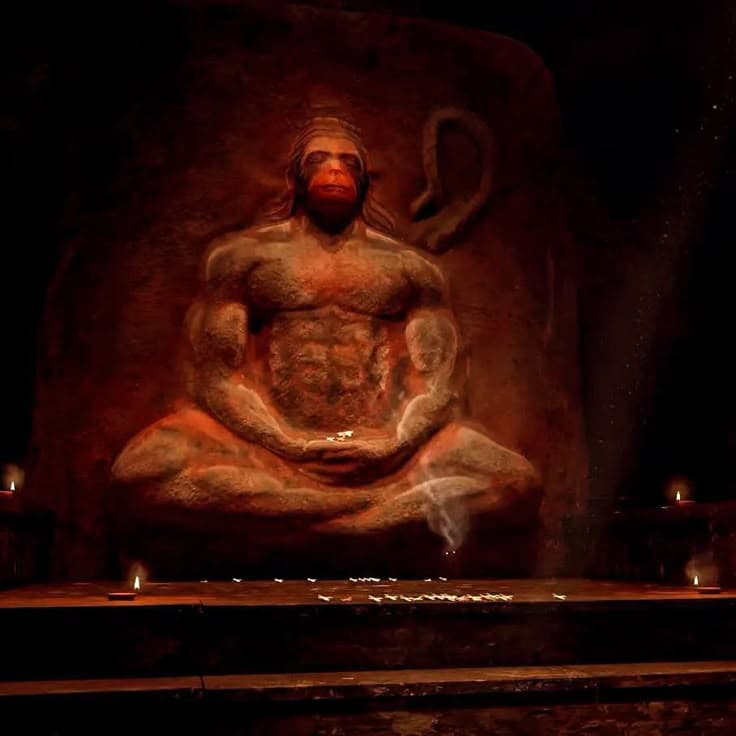
While Nirjala Ekadashi is primarily dedicated to Lord Vishnu, many devotees also worship Lord Hanuman on this day, seeking his blessings for strength to observe the rigorous fast and for spiritual progress.
Key Significance:
- Seeking strength and resolve to complete the difficult Nirjala (waterless) fast.
- Hanuman's devotion to Lord Rama (an avatar of Vishnu) makes his worship complementary.