Sundara Kanda Parayanam
The Sundara Kanda, the fifth book of the Ramayana authored by Maharishi Valmiki, glorifies the deeds of Hanuman. Its recitation (Parayanam) is a profound devotional practice believed to bestow courage, wisdom, and divine blessings.
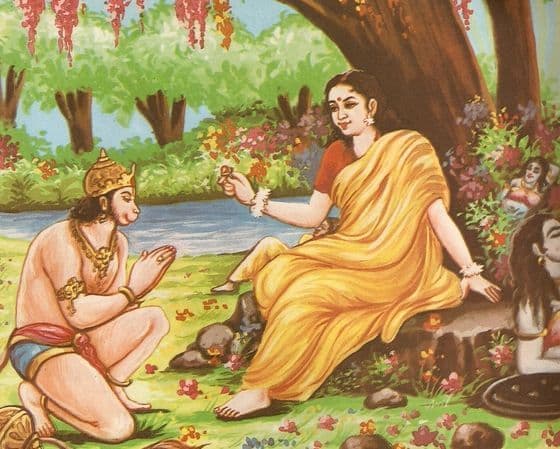
Sundara Kanda Parayanam
Date
Often on Tuesdays, Saturdays, or auspicious occasions
Location
Homes, Temples, Spiritual Gatherings
Type
Devotional Practice / Scripture Recitation
Author
Maharishi Valmiki
- HanumanProtagonist of Sundara Kanda
Performs heroic feats, finds Sita, and delivers Rama's message.
- SitaCaptive Princess
Endures captivity in Lanka, maintaining her purity and devotion to Rama.
- RavanaAntagonist King
King of Lanka, holds Sita captive.
- VibhishanaRighteous Rakshasa
Ravana's brother who advises righteousness.
- Lord RamaDivine Prince
Awaits news of Sita, his presence motivates Hanuman's actions.
- Hanuman
- Sita
- Ravana
- Indrajit
- Lankini
- Surasa
- Mainaka
- Vibhishana
- Trijata
Key Figures in Scripture:
- Step 1: Hanuman's magnificent leap across the ocean to Lanka.
- Step 2: Systematic search for Sita within the city of Lanka.
- Step 3: Discovery of Sita in the Ashoka Vatika, tormented by Rakshasis.
- Step 4: Hanuman's conversation with Sita, offering Rama's ring and solace.
- Step 5: Destruction of Ashoka Vatika and confrontation with Ravana's warriors.
- Step 6: Hanuman allows himself to be captured and advises Ravana.
- Step 7: Burning of Lanka with his fiery tail.
- Step 8: Hanuman's return journey and joyful report to Lord Rama.
Position in Ramayana
5th Book
Total Chapters
68
Total Shlokas (Approx.)
2900
Language of Origin
Sanskrit
Primary Theme
Glorious deeds of Hanuman in search of Sita, showcasing his devotion, strength, and wisdom, and conveying hope to Lord Rama.
Available Languages:
- Sanskrit (Original)
- Hindi
- Telugu
- Tamil
- Kannada
- Malayalam
- English
- Gujarati
- Bengali
- Oriya
- And many other Indian and international languages
Preparation:
- Take a bath and wear clean clothes.
- Light a lamp and offer flowers to Lord Hanuman.
- Place a Ramayana book or Sundara Kanda text on a clean cloth.
Method:
- Begin with Ganapati Puja and Sankalpam (vow/intention).
- Chant Hanuman Dhyana Sloka (meditation verse).
- Read chapters sequentially with focus and devotion.
- Complete daily reading as per chosen parayana schedule.
- Offer prasadam like jaggery, ghee, and banana to Hanuman.
Completion Ritual
Conclude with Hanuman Chalisa or Hanuman Ashtak and aarti.
Common Schedules:
- One-day Parayanam: Complete all 68 chapters in one day.
- 7-day Parayanam: Divide chapters across 7 days (approx. 10 chapters per day).
- 14-day Parayanam: Read approximately 5 chapters daily.
- One-chapter-a-day: Ideal for daily spiritual discipline and mental focus.
Core Idea
Unwavering devotion, courage, and selfless service can overcome any obstacle.
Moral Lesson
Faith in the divine and righteous action leads to success and liberation from suffering.
Spiritual Significance
Recitation is believed to bring peace, remove obstacles, and fulfill desires through Hanuman's grace.
Devotional Significance
A powerful means to connect with Hanuman and Lord Rama, fostering deep bhakti.
Benefits of Observance/Recitation:
- Removes fear, anxiety, and negativity
- Grants courage, strength, and wisdom
- Brings peace and success in endeavors
- Bestows protection from enemies and evil influences
- Grants blessings of Lord Hanuman and Rama
The Leap
Symbolizes crossing the ocean of samsara (worldly existence) through devotion.
Meaning of "Sundara"
Sundara (सुन्दर) means Beautiful, Charming, Lovely.
- Hanuman’s beautiful character, devotion, and heroic deeds.
- The beautiful narrative of Sita's purity, patience, and hope.
- The inherent poetic beauty and literary excellence of this Kanda.
- The beautiful outcome of victory of good over evil achieved through pure devotion.
Spiritual Impact
Recitation of Sundara Kanda is believed to instill courage, remove fears, grant wishes, and lead to spiritual upliftment.
Cultural Impact
A widely practiced devotional tradition, central to Hanuman worship, often undertaken for specific boons or general well-being.
Date Observed
Recommended Days for Practice:
- Tuesdays
- Saturdays
- Hanuman Jayanti
- Navaratri
- During times of crisis or spiritual need
Observed By:
- Devotees of Hanuman and Rama
- Individuals seeking spiritual solace and strength
- Om Hanumate Namah
- Jai Bajrangbali
- Sankat Mochan Hanuman Ashtak
- Hanuman Chalisa
Audio/Visual Resources:
- Recitation videos and discourses on YouTube and other platforms.
- Mobile applications with Sundara Kanda audio, text, and translations.
- PDFs and eBooks of various translations available online.
Related Festivals/Texts:
- Hanuman Chalisa
- Bajrang Baan
- Ramcharitmanas (by Tulsidas)
- Valmiki Ramayana (Full Text)
References:
- Valmiki Ramayana – Sundara Kanda (Book 5)
- Tulsidas Ramcharitmanas – Sundara Kand
- Traditional South Indian commentaries and oral traditions
- Various Puranic mentions of Hanuman's exploits