Hanuman Leela

The Battle with Ravana

During the climactic war between Lord Rama and the demon king Ravana in Lanka, Hanuman plays a pivotal role in the success of Rama’s army. As one of the most powerful warriors in the Vanara sena, Hanuman showcases his divine strength, intelligence, and unshakable devotion by fighting numerous demons, protecting key allies, and even saving Lakshmana’s life by bringing the Sanjeevani herb.
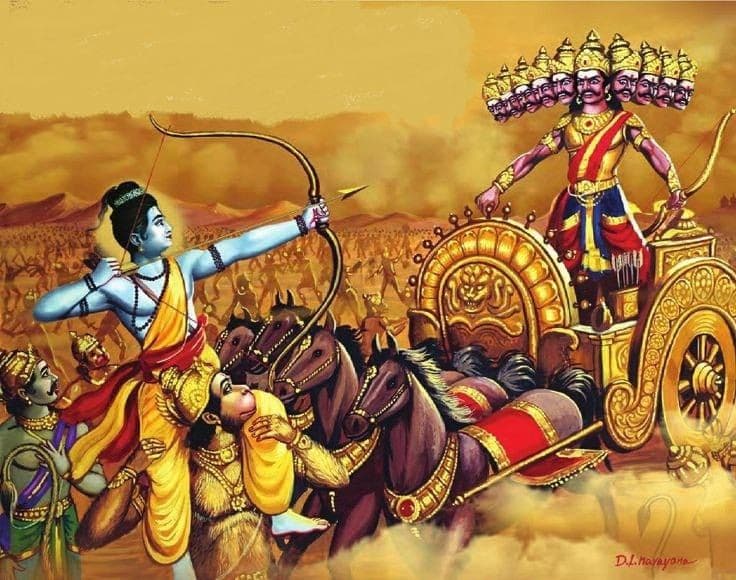
The Battle with Ravana

The Battle with Ravana

Event Overview

Date

Treta Yuga (Mythological Time Period)

Location

Lanka Battlefield

Key Characters / Deities
  • Hanuman
    Warrior, Devotee, and Protector

    Fought valiantly in the war, using his divine strength to crush rakshasas, uproot mountains, and protect Rama’s allies. His greatest contribution includes flying to the Himalayas to bring the Sanjeevani herb to save Lakshmana.

  • Rama
    Avatar of Vishnu, Commander of Dharma

    Leads the army of Vanaras against Ravana to rescue Sita and uphold righteousness. Relies deeply on Hanuman’s strength and devotion throughout the battle.

  • Lakshmana
    Rama’s Brother and Warrior

    Fights alongside Rama and is gravely injured by Indrajit, Ravana’s son. He is revived only due to Hanuman’s efforts.

  • Ravana
    King of Lanka, Antagonist

    The ten-headed demon king who abducted Sita and waged war against Rama. Ultimately defeated and killed in battle by Rama.

  • Indrajit (Meghnad)
    Ravana’s Son and Powerful Warrior

    Wounds Lakshmana with a powerful weapon, leading to the critical moment where Hanuman must fetch the Sanjeevani herb.

  • Jambavan
    Wise Warrior and Guide

    Advises Hanuman to fetch the Sanjeevani herb and reminds him of his powers during crucial moments in the battle.

Sequence of Events / Typical Observance
  1. Step 1: Rama, Lakshmana, Hanuman, and the Vanara army cross the ocean and begin their assault on Lanka.
  2. Step 2: Hanuman leads numerous charges, defeats powerful rakshasa warriors, and protects fellow Vanaras.
  3. Step 3: Lakshmana is struck by a powerful weapon from Indrajit and falls unconscious.
  4. Step 4: Jambavan reminds Hanuman of his divine strength and asks him to fetch the Sanjeevani herb from the Dronagiri mountain.
  5. Step 5: Hanuman flies to the Himalayas, lifts the entire mountain when unable to identify the herb, and returns in time to save Lakshmana.
  6. Step 6: Hanuman continues to play a central role in the battle by destroying key enemy fortifications and boosting the morale of Rama’s army.
  7. Step 7: Eventually, Rama kills Ravana with the Brahmastra, bringing the war to an end.
Significance

Core Idea

Hanuman’s strength and devotion are essential to the success of Rama’s divine mission. His actions highlight how divine service and loyalty can overcome even the most fearsome obstacles.

Moral Lesson

In times of darkness, selfless devotion, courage, and action rooted in righteousness can illuminate the path to victory.

Symbolism

Sanjeevani Herb

Symbolizes life-saving knowledge, faith, and divine intervention. Hanuman’s retrieval of it represents how true devotion can perform miracles.

Hanuman Roar Battle

A metaphor for dharma asserting itself over adharma (unrighteousness). His presence on the battlefield symbolizes hope, courage, and unwavering service.

Impact

Spiritual Impact

Elevated Hanuman to the status of the ultimate devotee. His actions in the war earned him reverence across time as a protector and divine servant.

Cultural Impact

This episode is a staple in Ramayana performances, temple traditions, and prayers. Hanuman's bravery in war is remembered through festivals like Dussehra and recitations like the Hanuman Chalisa.