Hanuman Jayanti
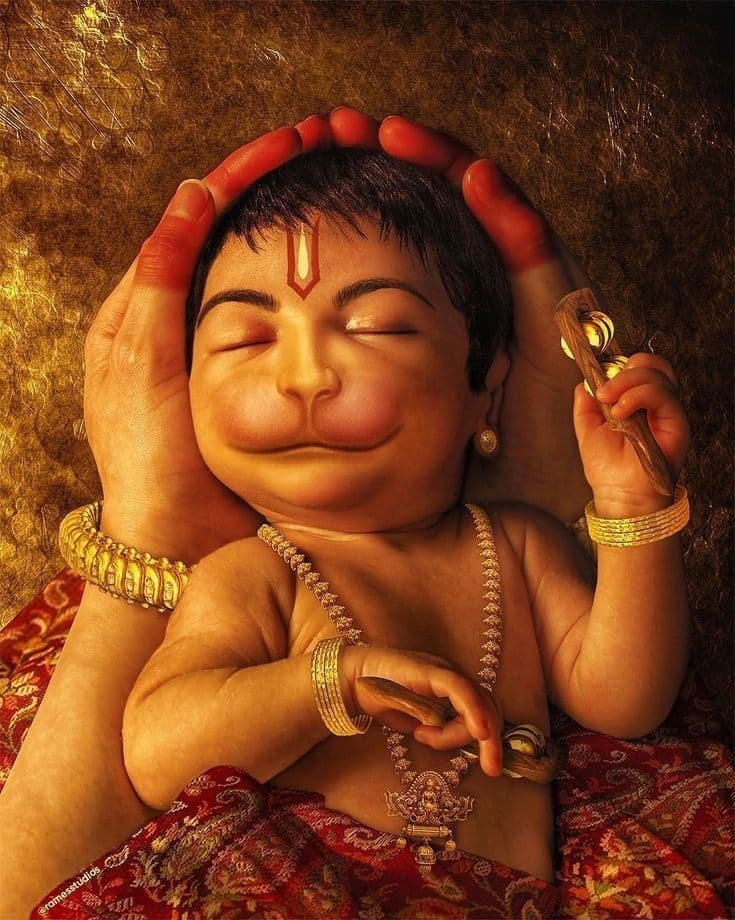
Hanuman Jayanti celebrates the birth of Lord Hanuman, the ardent devotee of Lord Rama and a symbol of strength, devotion, and selfless service. Devotees honor Hanuman’s divine presence, heroic deeds, and unwavering faith.
Hanuman Jayanti
Date
Chaitra Purnima (Full Moon of Chaitra Month) / Varies regionally
Location
Celebrated worldwide, especially in India at Hanuman temples.
Type
Hindu Festival
- Lord HanumanPrimary Deity
Celebrated as the embodiment of devotion, strength, and selfless service.
- Lord HanumanPrimary Deity
Attributes:
- Devotion to Rama
- Celibacy (Brahmacharya)
- Immense strength
- Wisdom and intellect
- Protector of devotees
Mount: None (Known to fly by his own power)
- Step 1: Devotees observe fasts and visit temples.
- Step 2: Recitation of Hanuman Chalisa, Sundara Kanda, and other hymns.
- Step 3: Special pujas, aartis, and offering of prasad like laddus and sindoor.
- Step 4: Processions and spiritual discourses narrating Hanuman's life.
Common Practices:
- Early morning bath and temple visits
- Reading Hanuman Chalisa, Sundara Kanda, and Ramayana passages
- Offering sindoor, oil, and sweets (laddoo) to Hanuman idols
- Fasting until sunset
- Processions with Hanuman idols
- Chanting of Hanuman mantras like 'Om Hanumate Namah'
Special Rituals:
- Recitation of Hanuman Ashtak and Bajrang Baan
- Applying vermilion on forehead (symbol of Hanuman's devotion)
- Distribution of prasadam (blessed food)
- Organizing satsangs and bhajan sessions in temples
Birth Story
Hanuman was born to Anjana and Kesari. Vayu, the wind god, also played a role in his birth, blessing him with immense powers. His birth took place on the full moon day of Chaitra month.
Childhood Legend
As a child, he mistook the sun for a fruit and tried to eat it, which shows his divine power and courage even as a child.
Boon of Immortality
Hanuman was blessed with Chiranjeevi status (immortality) and will remain alive till the end of time to protect and serve devotees of Rama.
Core Idea
Commemorates the divine birth of Hanuman and inspires devotees to emulate his virtues of bhakti, courage, and selfless service.
Moral Lesson
Reinforces the power of devotion and faith in overcoming obstacles and attaining spiritual strength.
Spiritual Significance
Commemorates the divine birth of Hanuman, the embodiment of bhakti (devotion), courage, strength, and selfless service to Rama.
Cultural Significance
Reinforces values of humility, loyalty, and courage through stories of Hanuman's life and devotion.
Devotional Significance
A day to offer prayers and recite Hanuman Chalisa and other hymns, seeking protection, strength, and blessings.
Symbolic Color
Orange/Saffron (symbolizing energy and devotion)
Iconography
Muscular body, mace (gada), open heart revealing Rama and Sita, flying posture with mountain
Spiritual Impact
Deepens devotion, provides spiritual strength, and offers an opportunity for devotees to seek Hanuman's blessings for protection and well-being.
Cultural Impact
A major Hindu festival fostering community bonding, religious observance, and the continuation of devotional traditions.
Modern Social Impact
Community services, food donations, blood donation camps
Date Observed
Chaitra Purnima (Full Moon of Chaitra Month)
(Varies each year (March-April))
Regional Variations:
- Tamil Nadu and Kerala: Margazhi Month (December-January)
- Andhra Pradesh and Telangana: 10th day of Vaishakha (May)
- Maharashtra: Chaitra Purnima (Same as North India)
Observed By:
- Hindus worldwide
- Hanuman devotees
- Rama bhaktas (devotees of Rama)
Hanuman Garhi
Ayodhya, Uttar Pradesh, India
Sankat Mochan Hanuman Temple
Varanasi, Uttar Pradesh, India
Salasar Balaji
Rajasthan, India
Jakhoo Temple
Shimla, Himachal Pradesh, India
- Om Hanumate Namah
- Bajrang Baan
- Hanuman Chalisa
- Sundara Kanda Parayanam
- Boondi Laddoo
- Chana (gram)
- Tulsi leaves
- Bananas
- Jaggery and ghee preparations
Media Coverage
Live streaming of temple events and bhajans
Online Participation
Virtual Hanuman Chalisa recitals and global prayer meets
Related Festivals/Texts:
- Rama Navami
- Diwali (Rama’s return to Ayodhya)
- Sankat Mochan Festival
- Hanuman Jayanti (Regional variants)
References:
- Ramayana by Valmiki
- Hanuman Chalisa by Tulsidas
- Puranas including Shiva Purana and Skanda Purana
- Bhakta Hanuman stories and local traditions